
Views: 0 Author: Site Editor Publish Time: 2026-11-16 Origin: Site


Controlling flow in industrial piping networks demands extreme precision and reliability. Plant operators rely heavily on globe valves to throttle and isolate critical fluids daily. However, achieving optimal system performance depends entirely on your initial material choices. Selecting the wrong metallurgical makeup causes rapid internal degradation. It often leads to catastrophic leaks, unplanned downtime, and severe safety hazards. Process engineers must move far beyond basic dimensional specifications today. You need to identify specific globe valve materials aligning perfectly with complex process fluid compatibility. The chosen alloys must also accommodate strict pressure-temperature ratings safely. In this comprehensive guide, we explore the mechanical science behind valve metallurgy. You will learn how to evaluate fluid chemistry, pressure limits, and external environmental factors properly. We will also compare common industrial alloys and outline strict compliance standards. This knowledge empowers you to make informed, durable decisions for your piping infrastructure.
Corrosion vs. Cost: Understanding when the cost-efficiency of WCB cast steel outweighs the long-term durability of stainless steel.
Process Compatibility: Matching metallurgical properties with chemical concentration, temperature fluctuations, and flow velocity.
Operational Risk: Recognizing how material selection impacts compliance with industry standards (API, ASME) and safety protocols.
Lifecycle Management: Evaluating materials based on maintenance frequency and downtime costs rather than just initial purchase price.
You must map process media to specific material resistance charts carefully. Different fluids demand radically different metallurgical defenses. Steam and water systems often operate perfectly using standard carbon steel. Conversely, corrosive chemicals, acids, and aggressive hydrocarbons need highly specialized alloys. You should analyze fluid concentration and pH levels thoroughly before making any decisions. Minor chemical variations can drastically alter corrosion rates inside a standard Globe Valve. Failing to match the metal to the media leads directly to premature valve failure.
ASME B16.34 standards dictate your material choices based heavily on thermal stress. They define the maximum allowable working pressure at specific operating temperatures. Materials naturally lose mechanical strength as operational temperatures rise. You simply cannot use a material rated for ambient water in a high-pressure steam service. You must plot your normal and peak operating conditions on the established P-T curve. ASME B16.34 also defines pressure classes, such as Class 150 or Class 600. Higher pressure classes require thicker body walls and structurally stronger materials. Engineers must consider how sudden pressure spikes affect the valve body under thermal load. This rigid calculation prevents dangerous structural failures.
Internal fluid chemistry represents only half of your metallurgical battle. You must address external environmental threats aggressively. Coastal installations face severe salt-laden air, which promotes rapid external body corrosion. Extreme sub-zero ambient temperatures make standard carbon steels dangerously brittle. Furthermore, chemical processes involving hydrogen pose a highly unique risk. Hydrogen embrittlement can compromise high-strength steels internally over time. You might consider applying specialized epoxy coatings to standard valves in harsh coastal environments. However, coatings cannot protect internal flow paths. You need base materials robust enough to survive both internal process stress and external atmospheric attacks.
Engineers frequently specify WCB carbon steel for general industrial piping use. A Cast Steel Globe Valve excels in non-corrosive, moderate-pressure applications. It handles steam, water, and non-acidic oils incredibly reliably. The material offers excellent mechanical strength at a highly economical price point.
However, WCB carbon steel carries strict operational boundaries. You should avoid installing a WCB Cast Steel Globe Valve in cryogenic environments. Temperatures plunging below -29°C (-20°F) cause carbon steel to lose impact toughness rapidly. It becomes highly susceptible to unpredictable brittle fracture. Under these conditions, you must pivot to LCB (Low-Temperature Carbon Steel). LCB contains selective alloying elements maintaining impact toughness down to -46°C. Additionally, highly acidic fluids will quickly corrode WCB bodies, demanding an immediate upgrade to stainless alloys.
Corrosive media requires an immediate upgrade to robust stainless steel alloys. A Stainless Steel Globe Valve typically utilizes CF8 (304) or CF8M (316) casting grades. These specific materials deliver exceptional oxidation resistance across diverse chemical applications. Understanding the core difference between CF8 and CF8M prevents costly procurement errors. CF8 handles mild corrosives and standard organic chemicals excellently. However, CF8M features added molybdenum to the alloy matrix. This crucial addition dramatically increases resistance to localized chloride pitting.
These robust valves dominate high-purity systems, chemical processing facilities, and marine applications. You face a noticeably higher initial investment compared to standard carbon steel. However, you benefit immensely from significantly reduced replacement cycles. This extended operational reliability easily offsets the upfront material premium.
Use this simplified decision framework to guide your preliminary alloy selection.
Material Performance Comparison Matrix
Material Grade | Primary Application | Optimal Temperature Range | Key Advantage |
|---|---|---|---|
WCB (Carbon Steel) | Steam, water, basic hydrocarbons | -29°C to 425°C | High mechanical strength, economical price point |
LCB (Low-Temp Carbon) | Chilled water, moderate cryogenic | -46°C to 343°C | Maintains impact toughness in freezing conditions |
CF8 (304 Stainless) | Mild chemicals, food processing | -268°C to 649°C | General corrosion resistance, excellent purity |
CF8M (316 Stainless) | Corrosive chemicals, marine, brines | -268°C to 649°C | Superior chloride pitting and oxidation resistance |
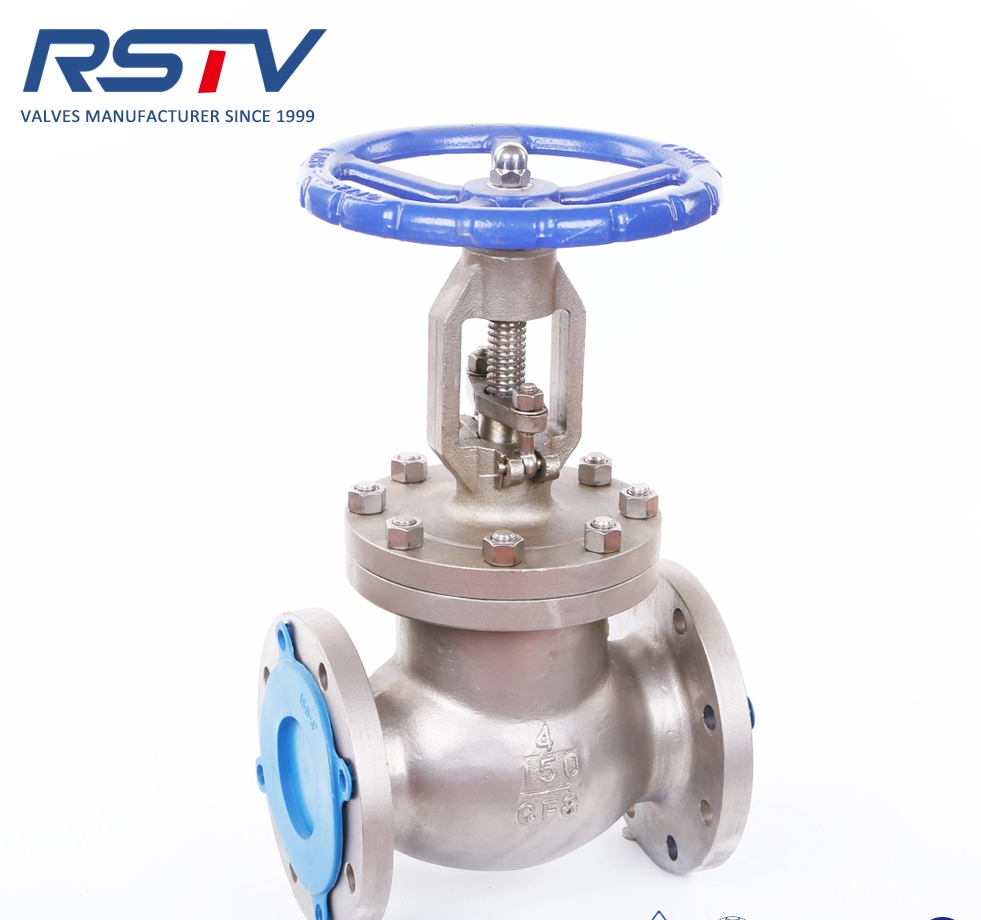
Valve body materials protect the exterior structure efficiently. Meanwhile, the intricate trim materials control the actual fluid flow. The disc, seat, and stem constitute the vital valve trim components. You must ensure your body and trim materials remain galvanically compatible. Pairing dissimilar metals inside a conductive fluid path inevitably creates an active galvanic cell. This reaction rapidly accelerates destructive corrosion on the galvanically weaker metal. We highly recommend matching the base alloys closely to prevent internal degradation.
Globe valves frequently throttle fluids, generating highly restrictive, high-velocity flow paths. Abrasive solid particles and high-speed media erode standard metals shockingly quickly. You need hard-facing surface treatments to protect critical seating surfaces. Engineers often apply Stellite overlays or utilize hardened martensitic stainless steel (like 410 SS). Stellite, a specialized cobalt-chromium alloy, offers supreme wear resistance even at elevated temperatures. Alternatively, hardened martensitic trims provide a more economical solution for moderate erosion. These hardened surfaces stubbornly resist wear, aggressive cavitation, and severe wire-drawing effects. They keep the valve sealing tightly over thousands of demanding operational cycles.
A resilient valve body proves useless if its internal seals fail. The packing layered around the stem prevents dangerous fugitive emissions. Robust gaskets seal the critical body-to-bonnet joint tightly. You must match seal materials directly to the process temperature and fluid chemistry. Flexible graphite packing withstands temperatures exceeding 500°C without degrading, making it ideal for superheated steam. Conversely, PTFE (Teflon) offers incredibly low friction and near-universal chemical resistance. However, PTFE typically melts or deforms above 200°C. Your selected seals carry the heavy burden of environmental safety. You must ensure they align perfectly with your system's thermal limits.
Industrial processing environments heavily regulate strict material specifications. Sour service environments present some of the most extreme metallurgical challenges. Fluids containing high levels of hydrogen sulfide (H2S) cause spontaneous sulfide stress cracking. You must ensure strict material compliance with NACE MR0175/ISO 15156 standards for these nasty applications. These specific regulations dictate maximum material hardness levels and controlled alloy compositions. Furthermore, you must consider design standards like API 600 or API 623. These frameworks dictate specific wall thicknesses and required trim configurations. Ignoring these established guidelines invites catastrophic pipeline ruptures.
Audit-heavy industrial sectors demand absolute material traceability endlessly. Oil refineries, chemical plants, and massive gas processors cannot simply guess what their valves contain. You must secure official Material Test Reports (MTRs) and original mill certificates upon purchase. These critical documents verify the exact chemical composition and tested mechanical properties of the poured steel. They provide undisputed physical proof aligning the finished product with your original design specifications.
Modern global supply chains introduce severe risks regarding substandard or counterfeit components. Misidentified raw materials compromise safety protocols almost instantly. Counterfeit valves sometimes feature dangerously fake certification stamps. You must source critical equipment exclusively through verified, reputable vendor networks. Reliable manufacturers perform positive material identification (PMI) testing using advanced X-ray fluorescence scanners. PMI testing confirms the exact alloy composition instantly on the factory floor prior to shipping. Verified certifications and routine PMI procedures protect your facility from dangerous metallurgical failures and costly legal liabilities.
Procurement teams often obsess over securing the lowest initial purchase price. This narrow approach completely ignores long-term operational financial realities. Consider evaluating a 10-year operational window within a mildly corrosive piping environment. A Stainless Steel Flanged Globe Valve demands a noticeably higher initial capital outlay than a carbon steel equivalent. However, the carbon steel unit may suffer from severe wall thinning. It might require complete replacement every three years. The stainless steel unit easily outperforms the cheaper alternative over a decade. It eliminates frequent replacement cycles, slashes labor costs for mechanical changeouts, and prevents crippling lost production during forced downtime.
You must predict future valve wear rates as accurately as possible. Daily cycle frequency and core fluid properties determine exactly how fast a valve degrades. Throttling abrasive slurry solutions destroys soft seating surfaces rapidly. Operating automated valves hundreds of times daily wears out basic stem packing quickly. High-quality corrosion-resistant alloys and hardened interior trims delay this inevitable mechanical wear heavily. Investing wisely in superior materials drastically shrinks your annual reactive maintenance budget. It minimizes expensive, unplanned system downtime across the entire facility.
Follow this step-by-step evaluation checklist to finalize your material selection before proceeding to formal procurement.
Identify the exact chemical composition and pH of your process fluid.
Determine the maximum and minimum anticipated operating temperatures accurately.
Calculate the peak system pressure under maximum thermal process stress.
Cross-reference ASME B16.34 tables to confirm the material pressure-temperature rating fits safely.
Select appropriate hard-facing options if the fluid contains abrasive solid particles.
Verify chemical and thermal compatibility of all gaskets and stem packing materials.
Request verifiable MTRs and required industry compliance certificates from the vendor upfront.
Selecting the perfect globe valve material involves careful technical balancing. There is no magical universal material suitable for every industrial pipeline. The best metallurgical choice represents a highly calculated compromise between absolute chemical resistance, mechanical stress requirements, and operational budget constraints. You must evaluate the volatile fluid properties alongside harsh environmental threats and strict pressure limits.
Moving forward, shift your strategy away from reactive procurement toward strategic lifecycle planning. Consider these proactive next steps:
Audit your current piping systems to identify frequent, recurring material failure points.
Update your internal procurement specifications to mandate strict material traceability rules.
Consult metallurgical compatibility charts before introducing new cleaning chemicals into existing pipelines.
Prioritize exceptional long-term durability over the lowest initial purchase price tag.
Strategic material selection ensures superior system reliability daily. It protects your operating personnel from hazards and maximizes your long-term capital investments flawlessly.
A: WCB cast steel excels remarkably in non-corrosive utility applications. You should deploy it for standard temperature steam, clean water, and non-acidic hydrocarbon transfer lines. It provides excellent mechanical strength and superior affordability, provided the process fluid prevents internal oxidation and operational temperatures remain safely above freezing.
A: Stainless steel features high chromium and nickel content, creating a durable passive oxide layer. This chemical layer strongly resists corrosion-erosion within aggressive fluid paths. It prevents internal chloride pitting and general body degradation. This ensures the valve remains structurally sound and seals tightly over a vastly extended operational lifespan.
A: The single most critical factor is the direct interaction between process temperature and fluid chemistry. High operating temperatures exponentially accelerate corrosive chemical attack rates. You must evaluate these two variables together. The selected alloy must maintain structural yield integrity while violently resisting chemical degradation at peak thermal loads.
A: You must demand official Material Test Reports (MTRs) directly from your chosen manufacturer. These critical certificates prove the exact chemical composition and mechanical strength of the cast metal. For dangerous sour gas applications, specifically mandate strict compliance documentation for NACE MR0175/ISO 15156 to prevent sudden sulfide stress cracking.
A: Yes, deliberately over-specifying valve materials often serves as excellent operational risk mitigation. Upgrading to a superior corrosion-resistant alloy prevents catastrophic hazardous leaks in highly critical or physically hard-to-access pipelines. The slight increase in upfront capital expenditure easily pays for itself by eliminating unplanned system downtime and severe safety liabilities.


