
Views: 0 Author: Site Editor Publish Time: 2026-11-05 Origin: Site


Premature valve failures carry hidden, heavy operational costs. You might not notice the degradation immediately. However, material mismatch remains the leading cause of unexpected downtime. It also triggers hazardous leaks in aggressive fluid systems. General oxidation is usually straightforward to manage. Conversely, localized corrosion demands precise engineering decisions. Chloride attack represents a particularly aggressive metallurgical threat. It can rapidly compromise standard metals. We built this guide to dissect these specific corrosion mechanisms clearly. You will explore a highly specialized material and connection selection framework. We also offer actionable, verifiable prevention strategies tailored for your procurement and engineering teams. Applying these insights ensures safer, more reliable pipeline operations across your entire facility.
Chloride Vulnerability: Standard alloys fail rapidly in chloride-rich environments due to pitting and crevice corrosion; selecting alloys with high Molybdenum content is critical.
Material Dictates ROI: Upgrading to high-grade stainless steel or duplex alloys increases initial CapEx but drastically reduces long-term operational expenses by extending Mean Time Between Failures (MTBF).
Connection Types Matter: The choice between flanged, threaded, and standard-specific connections (e.g., JIS) directly impacts system integrity and the likelihood of localized crevice corrosion.
Prevention is Multi-Faceted: True corrosion resistance requires a combination of correct alloy specification, appropriate seat/seal materials, and proactive system maintenance.
A single corroded component can force a total system shutdown. You lose thousands of dollars per hour in halted production. Mechanical failures disrupt supply chains severely. They also force maintenance crews into emergency repair scenarios. We must frame ball valve corrosion not merely as a technical glitch. It represents a massive, avoidable financial liability. Addressing it early saves massive future expenditures.
Safety risks multiply alongside financial losses. Fugitive emissions pose severe threats to frontline workers. Toxic leaks trigger immediate environmental compliance penalties. Regulatory bodies enforce strict workplace safety hazards rules. You cannot afford to ignore these compliance mandates. Protecting your team requires specifying the absolute best materials.
Defining procurement success requires a shift in perspective. You should prioritize lifecycle longevity over the lowest initial price. Demand verifiable material test reports (MTRs) from your suppliers. Align your choices strictly with specific fluid media requirements. A cheap valve ultimately costs more when it fails prematurely. Smart buyers invest in proven, documented metallurgical quality.
Chlorides relentlessly attack metal surfaces. They cause an electrochemical breakdown of the passive oxide layer. We call this pitting corrosion. Seawater, brine, and industrial chlorides are highly destructive. Microscopic pits form rapidly on the metal surface. These pits deepen quickly and penetrate the valve body. You cannot easily detect them visually.
Crevice corrosion operates in hidden micro-gaps. Stagnant fluids pool behind valve seats or under gaskets. These tight spaces create localized acidic environments. The oxygen depletes rapidly inside the crevice. This accelerates the metal breakdown significantly. Proper design minimizes these vulnerable stagnant zones.
Stress Corrosion Cracking (SCC) is sudden and catastrophic. It requires two combined factors. You need tensile stress from system pressure. You also need a specific corrosive media. The metal appears perfectly healthy on the outside. Suddenly, microscopic cracks propagate rapidly through the wall. This leads to an immediate pressure boundary failure.
Galvanic corrosion occurs when mating dissimilar metals. Electrons flow from the active metal to the noble metal. The pipeline fluid acts as an electrolyte. The less noble metal corrodes extremely fast. You must isolate incompatible metals using dielectric unions. Alternatively, specify matching alloys throughout the entire piping infrastructure.
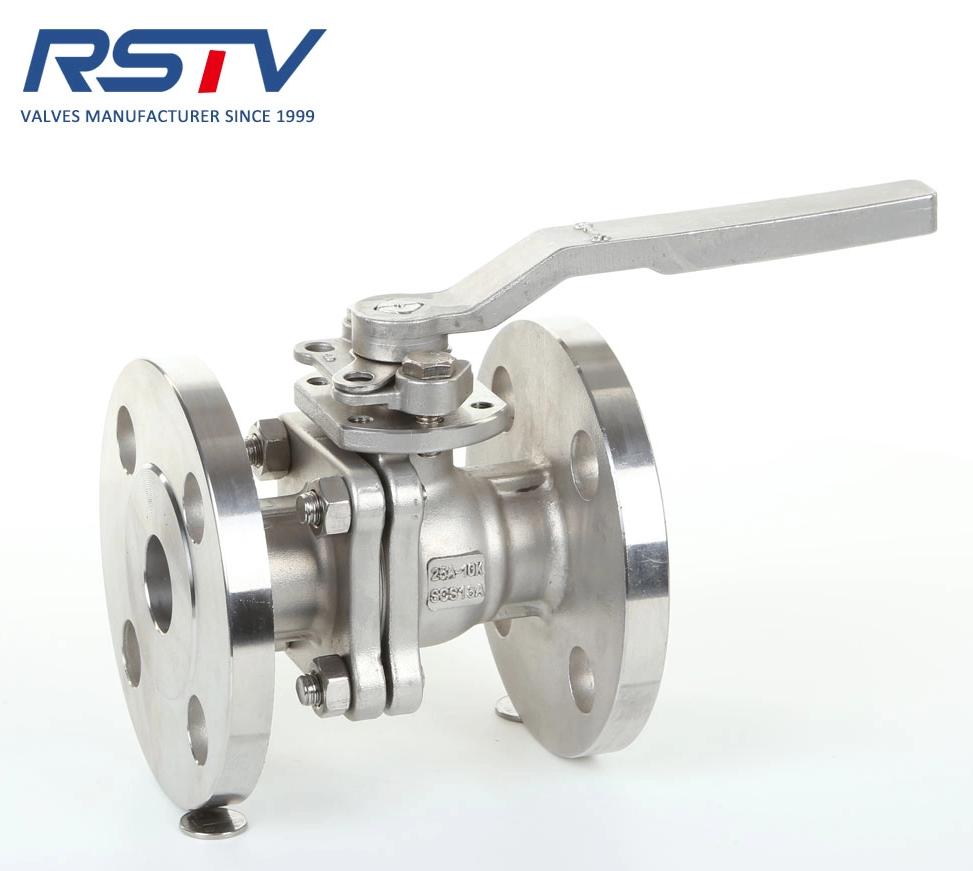
Baseline stainless steels require careful evaluation. Grade 304 lacks Molybdenum. It performs poorly in chloride-rich liquids. Grade 316L remains the absolute minimum standard. It creates a highly reliable Stainless Steel Ball Valve for mild-to-moderate corrosive environments. The added Molybdenum provides essential localized resistance. Always choose the low-carbon (L) variant to prevent weld decay.
Extreme media demand advanced alloys. Duplex and Super Duplex offer superior strength and chloride resistance. Monel excels in hydrofluoric acid applications. Hastelloy resists aggressive oxidizing and reducing agents. These alloys require a higher initial investment. However, their prolonged lifespan justifies the cost perfectly in severe conditions.
The metal body solves only half the problem. Non-metallic components degrade if selected poorly. You must specify seat and seal materials carefully. PTFE offers broad chemical compatibility up to moderate temperatures. PEEK handles higher temperatures and abrasive slurries safely. Viton provides excellent resistance to diverse industrial chemicals.
We must remain transparent about chemical realities. No single material is universally corrosion-proof. You must map your selection directly to fluid concentration. System operating temperatures dictate polymer limits. Process pressure influences mechanical wear. Careful engineering balances all these interacting variables seamlessly.
Table: Chemical Compatibility and Alloy Selection Matrix
Fluid Media | Recommended Alloy | Recommended Seal | Primary Corrosion Risk |
|---|---|---|---|
Fresh Water / Mild Acids | 316L Stainless Steel | PTFE | General Oxidation |
Seawater / Brine | Super Duplex | Viton / PEEK | Pitting & Crevice |
Sulfuric Acid (High Temp) | Hastelloy C-276 | PEEK | General Dissolution |
Sour Gas (H2S) | NACE Compliant 316L | Devlon / PEEK | Stress Cracking |
Flanged connections dominate heavy industrial applications. Engineers often deploy a Stainless Steel Flange Ball Valve in demanding pipelines. Flanges simplify routine maintenance significantly. They deliver superior sealing capabilities under high pressure. More importantly, they offer a smoother internal flow path. This significantly lowers the risk of crevice corrosion compared to threads.
You must match regional pipeline specifications accurately. Global engineering projects demand strict compliance. For instance, Japanese systems require adherence to specific industrial codes. A JIS10K Stainless Steel Ball Valve guarantees a leak-free integration. It ensures your flange dimensions mate perfectly. This prevents uneven gasket compression and subsequent joint failure.
Consider the specific use case carefully before threading. A Stainless Steel Threaded Ball Valve offers easy installation. However, threads naturally create tiny internal crevices. Fluids stagnate inside these small gaps continuously. We recommend threaded options strictly for lower-pressure lines. They work best in non-stagnant, highly accessible systems. Rapid replacement must be feasible if you choose threads.
Protective coatings provide an alternative layer of defense. Internal linings block the fluid from touching the metal. PFA or PTFE linings perform well in highly aggressive media. They cost less than solid exotic alloys. However, linings have strict temperature limitations. You must verify that your process heat will not melt the polymer.
System design best practices prevent problems before they start. Dead legs in piping are dangerous. Corrosive media stagnates and concentrates in these blind spots. You must eliminate dead legs during the initial piping layout. A clean, continuous flow path prevents localized acidic build-up.
Routine maintenance protocols extend equipment life significantly. You must establish strict schedules. Follow these vital maintenance steps:
Regular Actuation: Cycle the handle periodically. This prevents the internal ball from seizing inside the seats.
Scheduled Flushing: Wash out chloride-heavy lines using clean water. This dilutes residual corrosive deposits.
Thickness Testing: Utilize periodic ultrasonic thickness measurements. This detects internal wall thinning safely.
Visual Inspection: Check exterior stem seals for early micro-leaks.
Cathodic protection secures submerged or buried applications. Engineers apply sacrificial anodes near the critical junction. The anode corrodes instead of the expensive pipeline component. Impressed current systems use external power sources. These advanced methods stop galvanic degradation perfectly in specialized environments.
Gathering precise process information is your mandatory first step. Do not consult a manufacturer blindly. You need accurate data to receive proper metallurgical recommendations. Collect these specific operational data points:
Exact chemical composition of the fluid media.
Minimum and maximum pH levels.
Peak operating temperature ranges.
Maximum system pressure surges.
Suspended particulate volume (abrasion risk).
Verifying supplier authority protects your facility from counterfeit metals. Advise your buyers to demand complete transparency. They must request Material Test Reports (MTRs) for every heat batch. Utilize Positive Material Identification (PMI) testing upon delivery. Ensure strict adherence to standards like NACE MR0175/ISO 15156. This is non-negotiable for sour gas and highly toxic environments.
You must prioritize lifecycle value over the initial price tag. We suggest a simple evaluation framework. Justify higher upfront costs for superior alloys objectively. Calculate your expected lifecycle extensions. A cheaper component fails faster. It causes downtime and requires repeat labor. Premium materials yield a stronger return on investment.
Take decisive next-step actions today. Encourage your engineers to audit their current piping infrastructure. Identify your highest-failure nodes immediately. Document the specific failure modes accurately. Consult with specialized flow control manufacturers. Ask them for custom metallurgical recommendations based on your empirical data.
Preventing catastrophic failure requires a deep, uncompromising understanding of your specific corrosive media. You must match fluid chemistry perfectly with the correct alloy. Furthermore, you must select the appropriate connection type for your pressure class. Haphazard material selection guarantees eventual system failure.
Proactive specification remains the only proven method for success. Utilizing verifiable, high-grade materials ensures long-term system longevity. It also guarantees critical workplace safety. Do not compromise on metallurgy when handling aggressive chlorides or acids. The stakes are simply too high for shortcuts.
Assess your current flow control systems immediately. Review your existing material specifications against your actual process temperatures. Reach out to specialized engineering support teams today. They can provide application-specific sizing and exact material selection guidance. Protect your infrastructure by taking informed action now.
A: No. Grade 304 lacks Molybdenum in its chemical composition. This makes it highly susceptible to rapid pitting in chloride-rich environments like seawater. You must specify 316L at an absolute minimum. Alternatively, use Duplex alloys for reliable longevity in marine applications.
A: Higher temperatures exponentially accelerate chemical reaction rates. A fluid that remains perfectly safe at room temperature may become highly corrosive at 150°C. Elevated heat breaks down protective passive layers faster. You must always specify materials based on your maximum peak operating temperature.
A: Threaded connections create natural internal crevices. Stagnant fluids pool inside these tiny gaps. This significantly increases your crevice corrosion risk. Flanged connections offer a smoother, uninterrupted internal flow path. Engineers strongly prefer flanged options when handling aggressive or chloride-heavy media.
A: You should utilize non-destructive testing (NDT) methods regularly. Ultrasonic thickness measurement detects hidden internal wall thinning accurately. Additionally, you should monitor the required actuation torque. An unexpected increase in torque often indicates early internal seizing or heavy surface pitting.


