
Views: 0 Author: Site Editor Publish Time: 2026-10-15 Origin: Site


Installing industrial piping components often feels like a high-stakes gamble. You tighten the fitting carefully, but a sudden metallic lockup ruins the entire assembly. Sealing a stainless steel fitting is fundamentally different from working with softer metals like brass or iron. The high risk of thread galling—often called cold welding—makes improper sealant selection a disastrous mistake for any piping system.
When you choose the wrong compound, you risk weeping joints, dangerous media contamination, and destroyed valves during routine maintenance disassembly. We will explore how to prevent these expensive and frustrating failures in your fluid control systems. You will learn an evidence-based framework for selecting the correct thread sealant based on pressure, media, and temperature requirements. Furthermore, we will guide you through proper application techniques so you can achieve a leak-free, highly reliable mechanical seal on your very first try.
An NPT ball valve relies on an interference fit to create a secure mechanical seal. The tapered design forces the male and female threads to wedge tightly together as you turn them. This continuous wedging action deforms the metal slightly. It creates an extremely high friction environment along the entire thread flank. You need this friction to hold the joint together, but it introduces severe risks when working with specific alloys.
Friction acts as the primary enemy of stainless steel surfaces. This material naturally develops a protective passive oxide layer to resist corrosion. High friction forces strip this thin layer away instantly during installation. Raw, unprotected metal surfaces press together under extreme structural pressure. They quickly cold-weld together in a process called thread galling. Once galling occurs, you cannot simply unscrew the fitting. The metal shears apart, permanently destroying the valve and the pipe end.
Because of this intense friction, your chosen compound must perform heavy dual duties. First, it must act as a premium boundary lubricant during assembly. This lubrication prevents the raw metal surfaces from touching directly. Second, it must completely fill the microscopic voids between the engaged threads. Filling these gaps is what actually stops fluid bypass and creates the final seal.
While a carbon steel threaded ball valve is also susceptible to thread damage under high stress, stainless steel remains notoriously more prone to severe galling. Carbon steel has different surface hardness characteristics. Plumbers can often use basic pipe dope on carbon steel without immediate failure. However, standard hardware-store pipe dope is entirely insufficient for high-pressure stainless applications. You must use specialized compounds designed specifically for difficult alloys.
Selecting the ideal sealant for a stainless steel threaded ball valve requires understanding the unique chemistry and physical properties of industrial sealants. We evaluate three primary methods used by fluid control professionals.
Professionals widely use PTFE tape because it offers extraordinary chemical resistance and ease of use.
Anaerobic liquids offer a fundamentally different sealing mechanism relying on chemical curing.
Combining specialized PTFE tape with an anaerobic sealant over the top provides the most robust solution for critical systems.
Tip: You should entirely avoid standard hardware-store pipe dope containing clay or inferior fillers. These cheap compounds dry out, shrink, and crack under the structural stress of heavy stainless piping. They will eventually fail and cause disastrous leaks.
| Sealant Type | Lubrication Quality | Cure Time | Vibration Resistance | Best Application |
|---|---|---|---|---|
| Standard White PTFE | Low | Immediate | Low | Basic plumbing (Not recommended for SS) |
| High-Density / Nickel PTFE | High | Immediate | Moderate | Standard industrial fluid lines |
| Anaerobic Liquid (+ Primer) | Moderate | 24 Hours | Excellent | Hydraulics, high vibration areas |
| Hybrid (Tape + Liquid) | Maximum | Immediate (Low Pressure) | Excellent | Critical process media, severe duty |
You cannot use a one-size-fits-all approach. Choosing the right material requires cross-referencing your system operating parameters.
You must evaluate what flows through the pipeline. Corrosive chemicals demand different protections than potable water or industrial gases. Aggressive solvents will easily dissolve standard pipe dope. You must verify sealant certifications before application. Look for NSF/ANSI 61 certification if you work around drinking water. Seek UL approvals for hazardous gas lines. High-density PTFE generally withstands the widest array of caustic chemicals without degrading.
Thermal constraints dictate many engineering choices. Standard PTFE tape safely operates up to 500°F (260°C). Once temperatures exceed this threshold, the tape breaks down into dangerous off-gases and loses sealing integrity. High-temperature applications require specialized graphite-based or ceramic-based anti-seize compounds. Engineers usually combine these high-temp pastes with specialized metal-to-metal seating strategies to manage extreme thermal expansion.
Consider the lifecycle of the installation. Determine if the thread end ball valve needs frequent removal for cleaning or replacement. High-strength anaerobic sealants lock the threads tightly. They often require localized heat application to soften the cured plastic before you can safely disassemble the joint. If you need regular access, PTFE tape allows for significantly easier breakdown without requiring specialized heating tools.
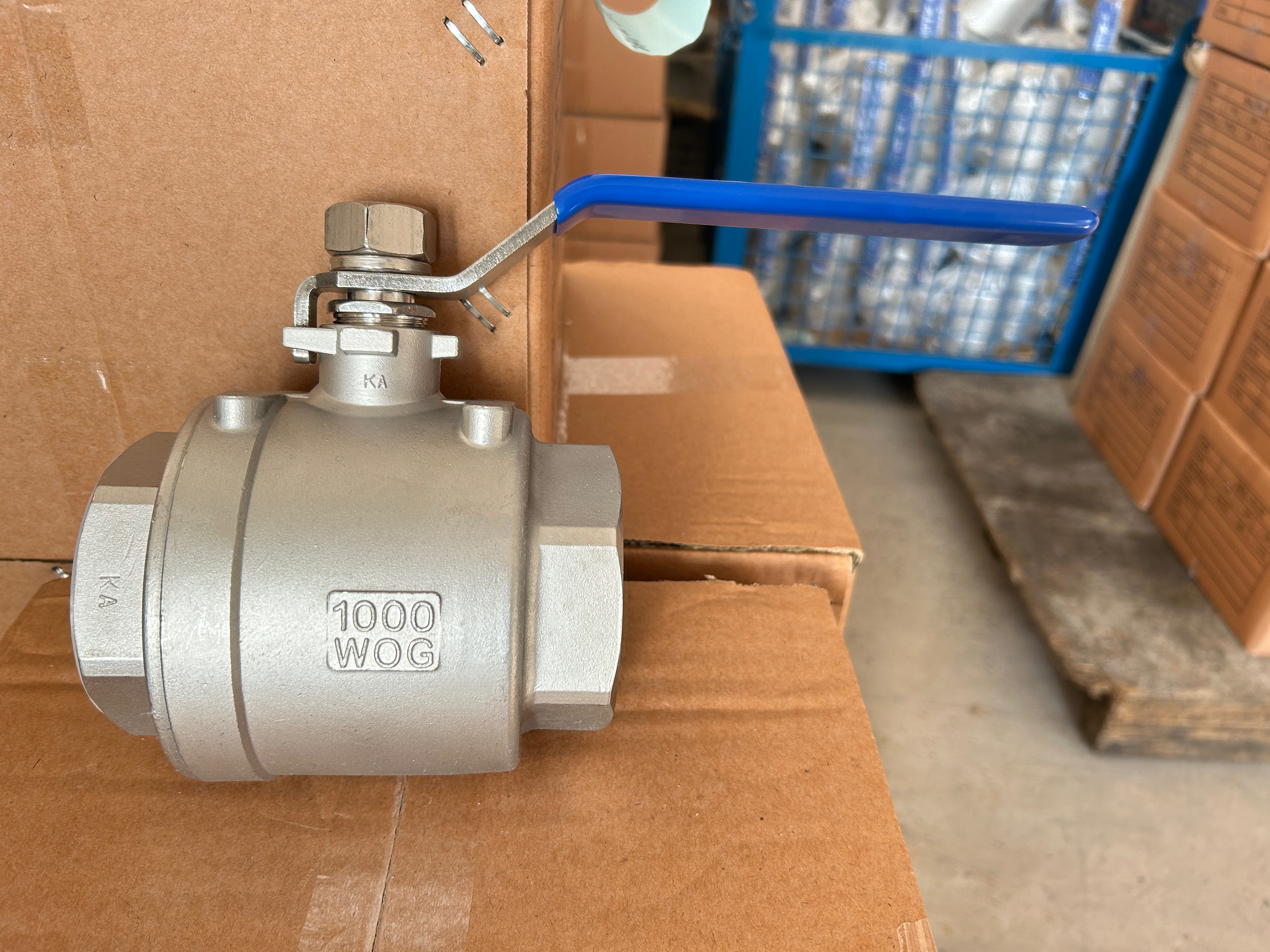
Matching the thread sealant to system parameters prevents galling and ensures long-term leak prevention.
Executing the perfect seal requires strict adherence to mechanical best practices. Follow these steps meticulously when installing a Thread End Ball Valve to guarantee success.
Tip: Never back off or loosen an NPT threaded connection to achieve proper valve handle alignment. If you over-rotate past your desired position, you break the seal. You must completely disassemble the joint, clean the threads entirely, and reapply fresh sealant from scratch.
Installers repeatedly make the same costly errors when dealing with premium alloys. Avoiding these mistakes saves thousands of dollars in replacement hardware.
Choosing the correct sealing method directly dictates the lifespan of your fluid control system. The right sealant depends on preventing galling first. Once you guarantee sufficient lubrication, you must match the chemical and pressure requirements of your specific system media.
For standard industrial applications, a nickel-infused high-density PTFE tape or a primer-assisted anaerobic liquid sealant offers the highest reliability. These specialized compounds protect your investment and ensure system safety.
Next Steps:
A: It is not recommended. Standard white tape is generally too thin and lacks the heavy-duty lubricating properties needed to prevent stainless-on-stainless galling. You risk tearing the tape during assembly and permanently seizing the valve.
A: Because stainless is an inactive metal, it can take 24-72 hours to fully cure without a primer. Using an appropriate chemical primer reduces this delay to standard curing times, usually ranging between 2 and 24 hours.
A: While carbon steel is less prone to galling than stainless, high-quality PTFE tape or an anaerobic sealant is still preferred. Standard basic pipe dope dries out over time and fails under the stress of high-pressure or rigorous industrial applications.
A: This is thread galling. It occurs due to immense high friction and insufficient lubrication from your chosen sealant. Once the threads gall, the metal cold-welds together. You must usually cut the damaged valve and pipe out to replace them.


