
Views: 0 Author: Site Editor Publish Time: 2026-10-26 Origin: Site


Selecting the right industrial valve requires a careful balancing act. Engineers and plant managers face immense pressure daily. You must maintain operational safety continuously. You also need to keep project costs under control. Over-specifying valve materials inflates capital expenditures heavily. It drains vital engineering budgets unnecessarily. Conversely, under-specifying leads to catastrophic fluid leaks. These leaks cause hazardous spills and expensive unplanned downtime. Finding a reliable middle ground remains absolutely crucial today. Modern piping systems demand dependable material solutions. We establish the Carbon Steel Ball Valve as the definitive industry standard. It dominates high-pressure, non-corrosive fluid applications. This comprehensive guide helps B2B buyers evaluate material choices. You can determine if carbon steel aligns perfectly against your requirements. We will explore specific system demands and operating environments. You will learn how to match these durable valves to strict budget constraints.
Carbon steel outperforms many expensive alloys in specific industrial sectors. It provides immense structural strength for heavy-duty piping. You can rely on these valves for high-pressure fluid control. Let us examine the primary sectors relying on this robust material.
Note: Always verify the exact chemical composition of your media. Trace amounts of highly corrosive elements exist sometimes. These hidden elements can rapidly degrade carbon steel internals.
Selecting the right material only solves half your engineering problem. You must also choose the correct structural valve design. Different operational demands require specific mechanical configurations. Let us explore the most common architectural variations available.
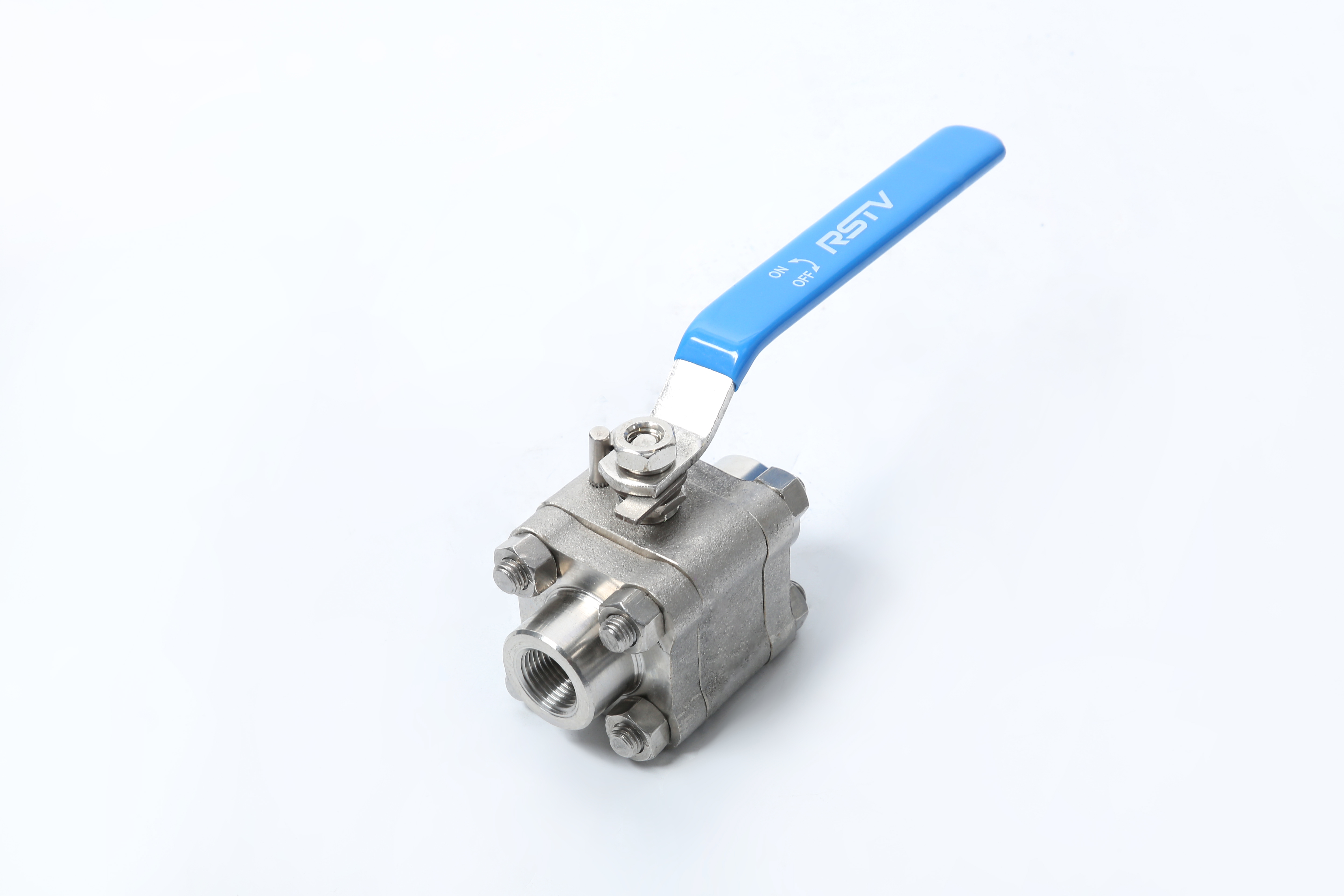
Engineers frequently specify the carbon steel threaded ball valve for utility lines. This design works perfectly for smaller diameter piping systems. We typically see it deployed on lines under two inches. It handles low-to-medium pressure applications exceptionally well. Maintenance teams appreciate the simple threaded connection ends. They allow for rapid field installation and quick replacement. You do not need expensive hot welding permits for installation. This unique feature drastically reduces facility downtime during routine maintenance.
Large industrial pipelines face intense internal fluid velocities. These massive systems demand a carbon steel trunnion ball valve for safe operation. The trunnion design mechanically anchors the central ball securely. This bottom anchoring absorbs massive line pressure effectively. It prevents the ball from crushing the downstream soft seat. The design reduces internal mechanical friction significantly. You prevent costly seat damage under extreme fluid flow rates. Large-bore systems rely entirely on this specific architecture.
Some piping nodes require precise fluid mixing capabilities. Other complex processes require directional flow diversion routinely. A carbon steel three way ball valve handles these tasks efficiently. It manages multiple flow paths within a single piping node. This configuration significantly reduces your overall piping footprint. You eliminate the need for multiple separate shut-off valves. It simplifies the entire piping architecture beautifully. Engineers often use L-port or T-port internal ball designs here.
Tip: Consider actuation requirements early in your design phase. Prioritize trunnion designs heavily for automated control systems. Their lower operating torque provides a distinct mechanical advantage. You can specify smaller pneumatic or electric actuators safely. This strategic choice reduces your overall system automation expenses.
A typical industrial setup utilizing robust carbon steel valves for high-pressure fluid control.
B2B buyers constantly evaluate competing material costs carefully. You must balance upfront capital expenses against long-term durability. We can compare carbon steel and stainless steel directly. This thorough analysis helps you maximize your return on investment.
Strict budget constraints dictate many major engineering decisions today. Carbon steel presents a distinct and measurable financial advantage. It is generally 20% to 40% more cost-effective than 316 stainless steel. This significant price gap becomes massive on large-scale projects. Procurement teams prefer carbon steel for extensive pipeline networks. The initial capital expenditure remains much lower overall. You can allocate these cost savings to other critical facility upgrades.
Harsh industrial environments subject valves to severe physical abuse constantly. Heavy-duty applications involve frequent and intense mechanical shock. Constant system vibrations can easily fracture weaker piping materials. Carbon steel provides vastly superior structural hardness universally. It resists physical deformation incredibly well under extreme stress. The dense material absorbs operational vibrations effortlessly. You achieve excellent mechanical durability in the most demanding environments.
We must address the primary material limitation objectively here. Stainless steel clearly wins in raw chemical corrosion resistance. Its high chromium content prevents surface oxidation naturally. Carbon steel fundamentally requires external environmental protection methods. It will rust quickly if exposed to moisture continuously. Rain and weather exposure also degrade unprotected exterior surfaces. You must acknowledge this specific vulnerability during the planning phase.
Conclusion on ROI: Evaluate your specific application parameters very carefully. Does the pipeline carry strictly non-corrosive internal media? Is the external environment fully climate-controlled indoors? Can you apply durable external protective coatings easily? If you answer yes, carbon steel yields the highest ROI.
| Comparison Metric | Carbon Steel (WCB/WCC) | Stainless Steel (316/304) |
|---|---|---|
| Initial Procurement Cost | Highly economical (Base baseline) | Expensive (20-40% premium) |
| Tensile Strength | Superior mechanical hardness | Standard mechanical strength |
| Internal Corrosion Resistance | Low (Fails in acidic media) | Excellent (Resists harsh acids) |
| External Weathering | Requires specialized epoxy coatings | Naturally resists outdoor elements |
Every engineering material possesses specific operational and environmental limits. You must understand these material vulnerabilities clearly before installation. Proper proactive maintenance strategies mitigate these inherent operational risks. Let us examine the practical realities of deploying these valves.
Airborne moisture acts as the primary enemy for this metal. Carbon steel will rust rapidly in humid environments. Offshore drilling platforms present incredibly severe oxidation risks daily. You must protect the exterior metal surfaces proactively. Industrial-grade epoxy coatings block ambient moisture effectively. Specialized marine paints also provide excellent long-term weatherproofing. Without these specialized coatings, structural integrity degrades quite rapidly. Maintenance crews must inspect these protective layers annually.
The dense metallic body handles extreme heat easily. However, the internal soft components have strict thermal limits. Standard PTFE seats will fail completely above 400°F (204°C). They melt or deform permanently under such extreme conditions. This physical deformation causes immediate and dangerous internal leakage. You must match internal seat materials to your peak operating temperatures. Do not overlook this critical engineering detail during procurement.
Industrial piping networks often utilize mixed metals extensively. Direct mechanical connection to dissimilar metals causes severe problems. Connecting carbon steel directly to copper creates a galvanic cell. Connecting it to brass produces the exact same destructive result. A conductive fluid environment accelerates this electrical reaction exponentially. This unseen process degrades the carbon steel body rapidly. You must use specialized dielectric unions strictly. They separate the dissimilar metals and stop the electrical current.
Tip: High-temperature steam applications require very special engineering attention. You should upgrade to resilient PEEK seating materials immediately. Metal-to-metal seating provides an even better solution for extreme heat. Ensure your internal seals match the thermal tolerance of the steel body.
| Seat Material Type | Maximum Safe Operating Temperature | Typical Industrial Application |
|---|---|---|
| Standard PTFE (Teflon) | Up to 400°F (204°C) | General water, air, and neutral oils |
| RTFE (Reinforced Teflon) | Up to 450°F (232°C) | Higher pressure utility lines |
| PEEK | Up to 500°F (260°C) | High-temperature industrial processing |
| Metal-to-Metal (Stellite) | Up to 800°F (426°C)+ | Superheated steam and abrasive media |
Specifying industrial fluid equipment requires a highly systematic approach. Guesswork always leads to expensive and dangerous operational failures. We developed a clear framework for selecting these exact valves. Follow this strict shortlisting logic for your next procurement cycle.
Selecting proper piping materials ensures complete facility safety continuously. Carbon steel ball valves serve as incredibly economical industrial workhorses. They excel universally in high-pressure, non-corrosive fluid applications. You can reduce capital expenditures significantly by deploying them strategically. Always protect their bare exteriors heavily in humid environments. Understand the thermal limits of your chosen internal seating materials. We strongly encourage engineers and procurement teams to seek expert guidance. Consult a qualified valve specialist regarding your upcoming facility projects. Provide your exact system pressure, peak temperature, and media specifications. They will help you secure a highly precise, customized quotation quickly.
A: The robust carbon steel body safely withstands temperatures up to 800°F (426°C). However, the internal seat materials dictate the actual operational limit. Standard PTFE seats typically fail entirely around 400°F (204°C). You must upgrade to PEEK or specialized metal-to-metal seats for higher thermal applications.
A: We strongly advise against using them for any potable water systems. Carbon steel entirely lacks inherent chemical corrosion resistance. Prolonged exposure to municipal water inevitably causes internal rust. This oxidation contaminates the drinking supply and violates health compliance standards. Engineers prefer brass or stainless steel for safe potable water distribution.
A: You must apply robust external protection for all outdoor installations. Industrial-grade epoxy coatings provide highly excellent moisture barriers. Hot-dip galvanization also offers strong defense against severe weather. Regular maintenance crews should inspect these specialized paints annually. Promptly touch up any deep scratches to prevent localized oxidation spots.


