
Views: 0 Author: Site Editor Publish Time: 2026-11-12 Origin: Site


Industrial fluid control systems rely heavily on robust components to maintain smooth process integrity. When these critical barriers fail, facilities immediately face unexpected and costly operational disruptions. You might notice minor drips or slight pressure drops, indicating the early stages of gate valve leakage. Addressing this issue matters deeply because it can quickly escalate from minor efficiency losses into severe safety and environmental hazards. Escaping hazardous fluids threaten on-site personnel and violate strict environmental compliance regulations.
This practical maintenance guide provides a comprehensive decision-making framework for maintenance teams dealing with these leaks. We will help you actively diagnose the underlying root causes and determine if a simple field repair remains a viable option. You will also learn exactly when replacing worn units with high-grade upgrades is necessary to achieve long-term system stability.
Diagnosing a leak requires a systematic approach. Maintenance teams must pinpoint exactly where the fluid escapes before attempting any repair. Different failure points demand entirely different solutions. We categorize these failures into four primary areas.
Stem packing serves as the primary seal preventing fluid from escaping along the valve stem. Over time, this packing material ages, dries out, and loses its elasticity. Poorly tightened packing glands also contribute heavily to external leakage. When operators cycle the valve frequently, the friction wears down the packing rings. You will typically see fluid weeping directly from the top of the stuffing box. Regular inspection of this area helps catch minor drips before they become active sprays.
Internal leakage occurs when the valve fails to shut off the flow completely. This usually points to seat degradation. Debris entrapment is a frequent culprit. Solid particles get trapped between the wedge and the seat, scoring the metal surfaces. Erosion from high-velocity fluids and chemical corrosion also degrade these seating surfaces. Once the seat geometry changes, achieving a tight seal becomes impossible. You must examine the fluid medium to understand why the seats degrade so rapidly.
The body-bonnet interface relies on a gasket to maintain a pressure-tight seal. Leaks here often result from severe thermal cycling. Rapid temperature changes cause the metal components to expand and contract at different rates. This movement crushes or relaxes the gasket. Improper bolt tensioning during installation or maintenance also leads to bonnet leaks. If technicians fail to follow a star-pattern torquing sequence, the uneven clamping force allows fluid to escape.
Using inappropriate materials severely accelerates internal and external wear. For instance, deploying standard carbon steel in highly corrosive chemical environments guarantees premature failure. The aggressive media quickly eats away at the internal trim and body walls. In these demanding scenarios, justifying a move to a resilient Stainless Steel Flanged Gate Valve makes perfect engineering sense. Proper material selection directly influences the overall lifespan of your fluid control hardware.
Once you identify the root cause, you must decide how to address it. Teams must balance the urgency of the repair against available resources and operational downtime. Not every leak requires removing the entire unit from the pipeline.
You can often resolve minor external leaks while the valve remains in the line. This approach requires strict adherence to safety protocols. Always verify line pressure and isolate the section before proceeding.
Fixing internal leaks requires accessing the seating surfaces. If the damage is superficial, technicians can sometimes lap the seats in place. Lapping restores the smooth finish necessary for a tight shut-off. However, deep gouges or severe corrosion demand replacing the wedge and seat rings entirely. You must weigh the labor hours required for this intricate work against the cost of simply dropping in a new unit.
Making the right call depends on several operational factors. Consider the cost of system downtime, the physical size of the hardware, and its structural integrity. Use the following comparison matrix to guide your maintenance strategy.
Repair vs. Removal Decision Criteria
| Evaluation Factor | Favor In-Situ Repair | Favor Full Unit Removal |
|---|---|---|
| Leak Type | Minor stem weeping or loose packing. | Severe body leaks or structural cracking. |
| Valve Size | Large diameter units (heavy rigging required). | Small diameter units (easily swapped). |
| Downtime Tolerance | Process cannot be stopped for long periods. | Scheduled shutdown allows ample time. |
| Component Wear | Superficial scratches on the wedge. | Deep erosion, compromised wall thickness. |
Repairs eventually reach a point of diminishing returns. Knowing exactly when to stop fixing an old unit and when to replace it prevents catastrophic failures. Equipment upgrades often provide better performance and enhanced safety margins.
You must prioritize safety above all else. If an inspection reveals structural body fatigue, the unit is no longer safe to operate. Deep wall thinning caused by erosion or severe galvanic corrosion compromises pressure containment. Similarly, if the seat rings are warped beyond repair, no amount of lapping will restore a secure seal. In these cases, you must abandon repair efforts and remove the compromised asset from service entirely.
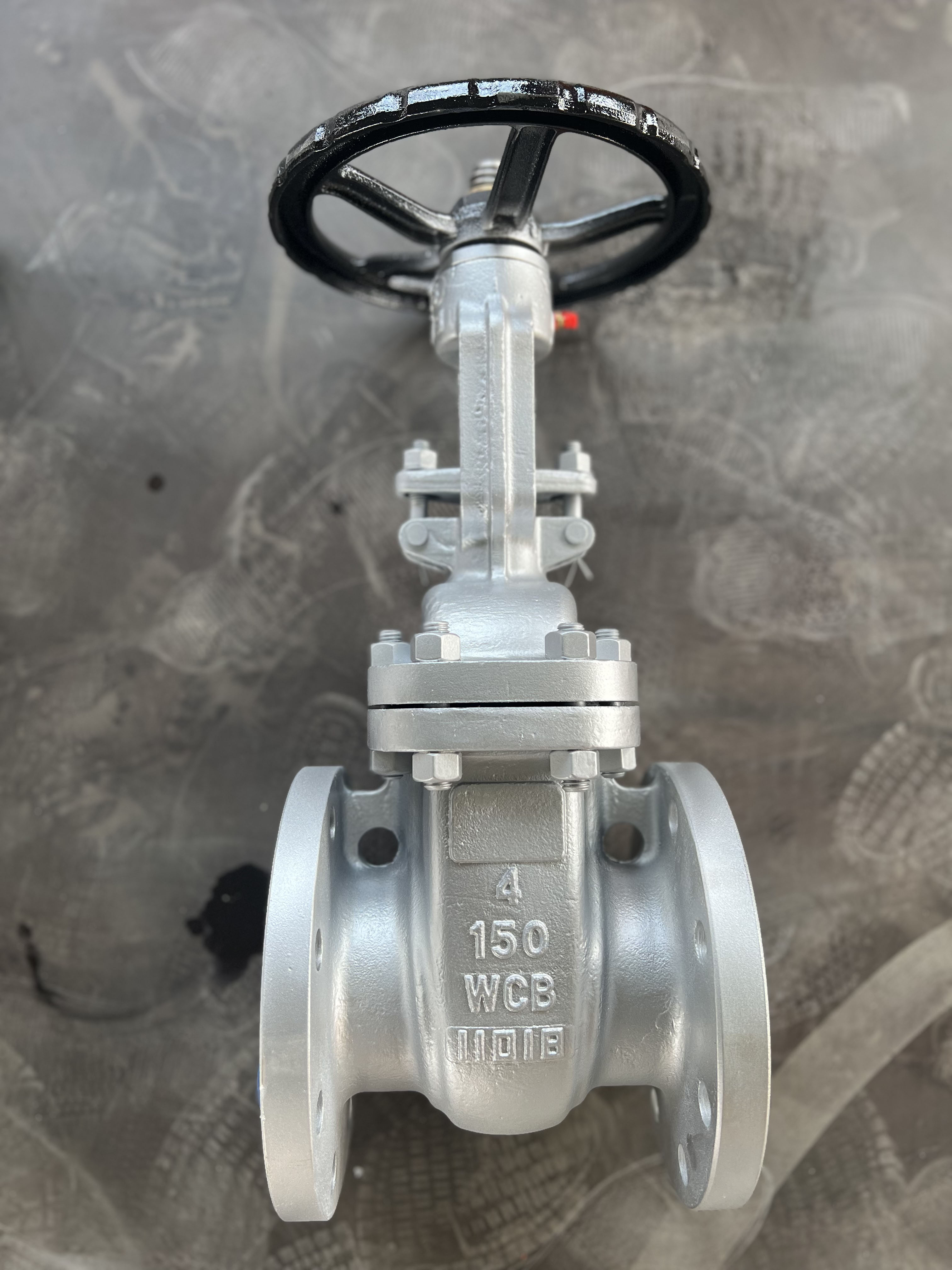
Replacing an old unit provides an excellent opportunity to upgrade your system architecture. Transitioning from outdated threaded designs to a modern Cast Steel Flanged Gate Valve vastly improves pressure-handling capabilities. Flanged connections offer superior rigidity and simplify future maintenance tasks. Modern manufacturing techniques also yield tighter tolerances, which translates directly into better sealing performance out of the box.
Choosing the correct replacement material determines how long the new installation will last. You must base this decision heavily on fluid chemistry and operating temperature. Carbon steel handles benign fluids well, but aggressive acids or high-purity applications require different metallurgy. Choosing a dedicated Stainless Steel Gate Valve ensures compliance with strict regulatory requirements regarding fugitive emissions and material leaching. Always cross-reference your site requirements with widely accepted standards like API 600 before finalizing your purchase specifications.
The most effective way to handle a leak is to prevent it from happening. Proactive maintenance extends equipment life and maintains a safer working environment. Implementing structured care programs yields highly predictable performance.
Human error causes many premature failures. Operators frequently use inappropriate tools, like cheater bars, to force a stuck handwheel. This excessive leverage bends the stem and crushes internal seating surfaces. Comprehensive operational training teaches staff the correct usage of handwheels to prevent mechanical stress. They learn to feel when the wedge seats properly without relying on brute force.
You cannot manage what you do not measure. Establishing baseline performance metrics helps you catch minor issues early. Implement routine visual inspections to look for dried fluid trails or localized corrosion near the packing gland. A robust scheduled inspection cycle ensures maintenance teams intervene before a minor weep turns into an active, hazardous leak. Utilizing acoustic emission tools can also help detect internal passing before it impacts production quality.
Consistent mechanical care prevents fatigue-related failures. A dedicated lubrication schedule ensures the stem threads remain smooth, reducing the torque required to cycle the unit. Furthermore, you must implement bolt-tightening schedules for all flanged connections. Thermal cycling gradually loosens flange bolts over time. By incorporating a standard Gate Valve torque program into your monthly maintenance routine, you maintain secure gaskets and eliminate preventable body-bonnet leaks.
Dealing with gate valve leakage remains a common maintenance headache for many industrial facilities, but it is largely preventable. By applying systematic inspection routines and carefully identifying the root cause, you can resolve issues quickly and safely. We have explored how proper diagnosis guides the critical choice between in-field repair and unit replacement.
When replacements become necessary, we reiterate the immense value of investing in high-quality hardware. Deploying a robust Cast Steel Gate Valve or utilizing specialized stainless components secures your mission-critical applications against premature wear. Better materials directly lower your operational risks.
We urge you to assess your current fluid control infrastructure today. Determine if your current leak rates align with acceptable industry safety standards. If you notice recurring failures and increasing maintenance demands, it is time to consult with an engineering partner for a comprehensive system upgrade.
A: Assess the severity of structural wear. If you only see minor stem weeping, adjusting or replacing the packing usually suffices. However, if the main body shows signs of fatigue, deep wall thinning, or if the internal seats are severely eroded, a repair will not hold. In these cases, a full replacement guarantees system safety and restores pressure containment.
A: Yes, you can perform external packing adjustments in-situ. If the leak stems from the packing gland, you can safely tighten the nuts or inject new packing once the line is depressurized and isolated. However, you cannot fix severely damaged internal seats or cracked body flanges without removing the unit from the pipeline.
A: Secondary causes often undermine new packing. Check the stem for deep vertical scoring or pitting. A damaged stem will shred new packing material almost immediately. Additionally, verify the bonnet gasket alignment. If the bolts were tightened unevenly during reassembly, the body-bonnet interface will continue to leak regardless of the new packing.
A: Ignoring leaks severely compromises pressure containment. Minor drips can escalate rapidly into blowouts, exposing workers to high-pressure bursts and hazardous fluid exposure. This puts personnel at risk of chemical burns or slip-and-fall injuries. Furthermore, releasing regulated fluids into the environment directly triggers severe compliance violations and hefty regulatory fines.


