
Views: 0 Author: Site Editor Publish Time: 2026-06-18 Origin: Site


High-pressure and severe service piping systems operate under immense daily stress. These extreme environments leave zero margin for component error. A single structural failure often causes catastrophic facility damage. The stakes remain incredibly high for industrial operations. Procurement teams face a distinct challenge during early project planning. They typically experience severe sticker shock when reviewing initial vendor quotes. Comparing forged options directly against cast alternatives reveals a substantial price gap. This upfront purchase premium creates immediate budget friction for buyers.
We must unpack the specific engineering variables involved here. These critical factors dictate the final price tag of a premium component. You will discover how material choices drive baseline pricing upwards. We will explore how complex mechanics and strict testing protocols influence costs. We guide you past the initial purchase price to evaluate broader lifecycle economics. Understanding these cost drivers helps you specify components accurately. You can justify the necessary expenditures to protect your plant.
Manufacturing baseline: The inherently higher cost of forged steel valves stems from the grain-structure alignment process, which eliminates the internal porosity risks found in cast valves.
Material and design variables: Exotic alloys required for a high temperature valve and specific designs (e.g., a forged ball valve vs. a forged steel gate valve) are the primary unit-cost accelerators.
Installation economics: Connection types—such as specifying a socket welded valve versus flanged ends—directly impact both upfront part costs and on-site labor rates.
Compliance premiums: Strict API and ASME testing requirements for high-pressure systems add unavoidable but necessary overhead to the final price.
Standard cast steel often fails in severe service environments. Pouring liquid metal into molds creates inherent structural risks. As the molten metal cools, tiny air pockets can form inside. These hidden defects create dangerous micro-fissures over time. High-pressure applications mercilessly expose these weak points during operation. A sudden pressure spike can trigger a catastrophic blowout easily. Such failures cause costly facility downtime and severe safety hazards. Plant managers cannot accept these risks in critical pipelines.
Forging completely changes this manufacturing reality for the better. Facilities use immense mechanical pressure to shape solid steel billets. This intense, high-heat process aligns the grain structure of the metal. It eliminates the internal porosity risks commonly found in castings. The metal becomes incredibly dense and structurally uniform throughout. However, this advanced method requires massive industrial hydraulic presses. The raw materials cost significantly more upfront for manufacturers. Tooling and machining expenses also rise substantially compared to casting. Manufacturers invest heavily in specialized equipment to produce these durable components.
This higher initial cost secures essential structural predictability. Predictability remains absolutely crucial for high-pressure steam and hydrocarbon applications. We measure the cost-to-outcome ratio by analyzing potential field failures. A single fugitive emission leak costs thousands in immediate regulatory fines. A structural blowout destroys surrounding equipment and halts production entirely. The cleanup and replacement costs quickly dwarf any initial savings. The upfront premium pales in comparison to these disastrous outcomes. You buy essential peace of mind and strict operational security. This wise investment protects your broader infrastructure from catastrophic financial losses.
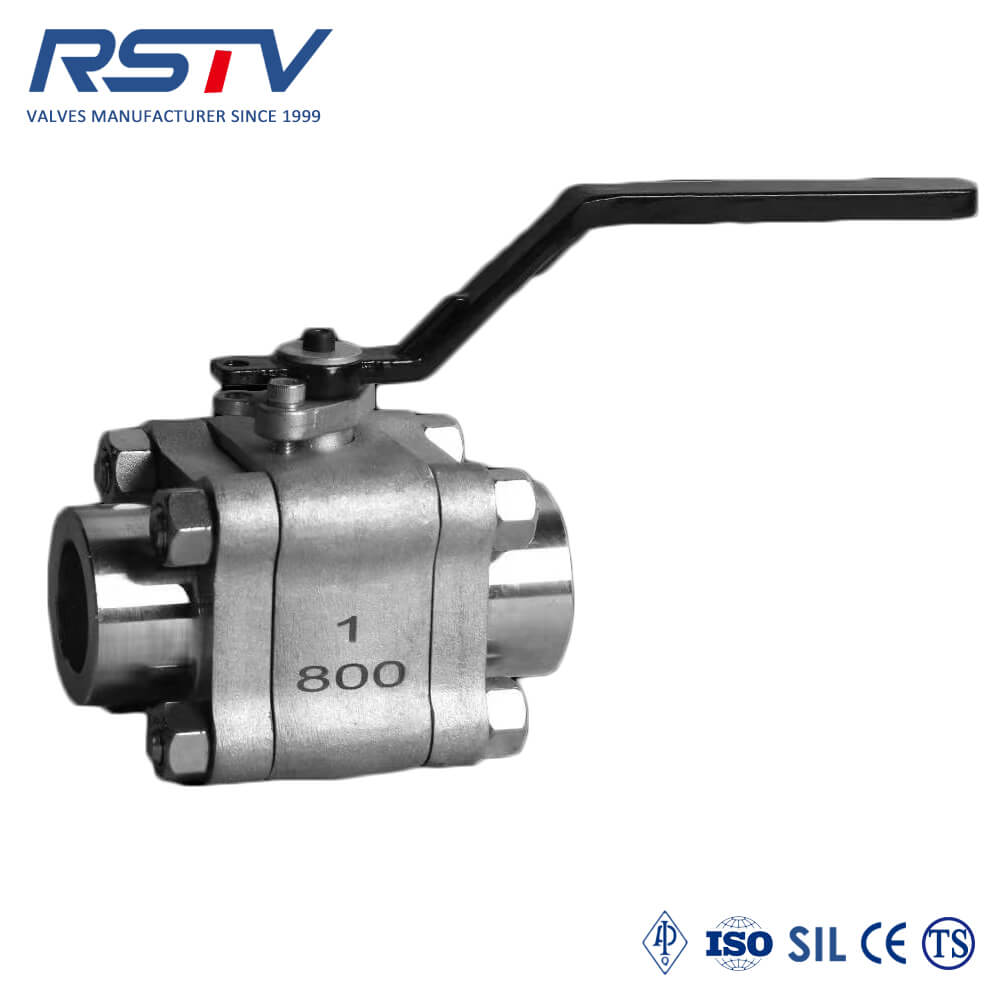
Standard carbon steel (A105) provides a solid pricing baseline. Most generic industrial applications rely heavily on this accessible material. Extreme environments, however, demand highly specialized metal alloys. Systems handling severe corrosives require exotic stainless grades like F304 or F316. Upgrading to these specific metals for a high temperature valve exponentially increases raw material costs. Sourcing these specialized alloys involves navigating volatile global market pricing. Foundries must carefully control the chemical composition of each batch. This strict metallurgical control adds distinct premiums to the final invoice.
Engineering complexity heavily dictates the final unit costs you pay. A standard forged steel gate valve features relatively simple linear motion. The internal wedge simply moves up and down to stop flow. It provides basic isolation and remains highly affordable to manufacture. Rotational mechanics require entirely different engineering approaches and tooling setups. A forged ball valve features highly complex internal spherical geometry. Manufacturers must achieve incredibly tight machining tolerances for proper sealing. Severe service seating mechanisms add further complex manufacturing steps. These intricate designs naturally accelerate unit costs during production runs.
How you physically connect the component matters financially to your budget. Threaded ends (NPT) cost very little to produce on CNC machines. However, they remain much less secure for extreme vibration systems. Upgrading your connection types changes the financial equation entirely. A socket welded valve requires highly precise bore machining operations. This necessary precision increases the immediate part cost noticeably. Yet, it drastically reduces long-term leak paths in high-vibration environments. Flanged configurations demand even more raw material during forging. The added metal mass and heavy machining drive prices significantly higher.
Design Variable | Base Option | Premium Option | Cost Impact Level |
|---|---|---|---|
Material Grade | Carbon Steel (A105) | Stainless (F316), Special Alloys | High |
Mechanics | Gate (Linear Motion) | Ball (Rotational Geometry) | Moderate to High |
End Connections | Threaded (NPT) | Flanged / Socket Weld | Moderate |
Engineers must meticulously evaluate components across multiple certification dimensions. A commercial off-the-shelf (COTS) product follows standard, high-volume production runs. These generic bulk items carry much lower administrative and tracking burdens. Engineered-to-order (ETO) products require extensive, highly customized engineering documentation. Manufacturers spend countless hours generating specific traceability records for buyers. They must map every single piece of metal back to its source. This intense engineering overhead directly influences the final invoice you receive.
Standard testing protocols establish a basic, non-negotiable reliability baseline. Hydrostatic and pneumatic pressure tests happen routinely on factory floors. Facilities absorb these standard validation procedures into their base pricing models. Many buyers require extended duration tests for highly critical systems. They often hire independent third-party inspectors to witness these procedures directly. Bringing external auditors into the factory significantly slows down production timelines. This logistical friction adds unavoidable, yet necessary, overhead to your project.
Strict industry standards dictate specific physical dimensions and performance capabilities. Designing products to meet API 602 requires precise wall thickness engineering. ASME B16.34 mandates strict pressure and temperature rating compliance parameters. ISO 15848 forces rigorous, highly documented fugitive emission controls. Meeting these specific codes dictates thicker structural thresholds. Factories must enforce much tighter manufacturing tolerances across their machines. Achieving these strict parameters drives up total manufacturing time drastically. More time on the machining floor equals higher final prices.
Procurement planning goes far beyond evaluating the basic unit price. Field installation realities drastically shift the total financial burden. Socket welding creates incredibly secure and truly permanent pipeline connections. However, this specific method requires highly certified welders on your site. Certain exotic alloys demand specialized post-weld heat treatment (PWHT) procedures. This necessary step relieves mechanical stress built up during welding. This specialized field labor shifts expenses from parts to installation budgets. You must account for these heavy contractor fees during planning.
The notorious over-engineering trap ruins project budgets frequently and silently. Engineers sometimes specify Class 2500 components out of sheer caution. They routinely ignore the actual operational data from the physical field. A Class 1500 rating might comfortably and safely handle all system peaks. Over-specifying pressure classes wastes crucial budget resources almost instantly. You pay heavily for excess metal thickness your system will never utilize. We encourage teams to strictly align specifications with realistic operating thresholds.
Maintenance lifecycle factors heavily influence your long-term economic viability. Forged designs typically feature either traditional bolted or heavily welded bonnets. Welded bonnets offer a cheaper, completely leak-proof initial product design. Unfortunately, they absolutely prevent standard inline maintenance procedures later on. If internal sealing components fail, field repair becomes physically impossible. You must cut the entire unit completely out of the piping system. This drastic action forces a full replacement and increases facility expenses over time.
Strategic specification requires careful planning and precise field data gathering. Following a structured, methodical approach prevents heavily bloated vendor quotes. We recommend following these distinct steps during your next procurement cycle.
Define precise service conditions clearly: Document your exact maximum operating pressures (MOP) thoroughly. Record accurate temperature ranges and specific fluid corrosivity levels. Share this definitive, granular data before requesting any formal quotes.
Challenge standard engineering defaults: Assess your pipeline nodes critically and individually. Determine if every single node needs complex, expensive rotational mechanics. A standard gate mechanism often suffices perfectly for basic isolation points. Avoid using blanket, generalized specifications across entire facility zones.
Establish vendor evaluation criteria: Prioritize highly transparent manufacturers during your initial search. Ensure they willingly provide detailed Material Test Reports (MTRs) upfront. Verify their documented engineering history within your specific industrial application. Past performance in demanding high-pressure steam environments matters immensely.
Execute the next-step action: Move quickly away from sending out generic RFQs. Initiate deep, engineered consultations using accurate piping and instrumentation diagrams (P&IDs). Detailed system diagrams help vendors provide highly accurate, contextualized pricing.
Common Best Practices: Always share your exact fluid medium details to prevent dangerous alloy mismatches. Consolidate your facility purchases whenever possible to leverage bulk manufacturing discounts. Request separate line items for specialized testing procedures to spot excessive markups quickly.
The final price tag of a forged steel valve directly reflects its structural integrity. Material grades, machining precision, and strict testing rigor heavily drive these baseline costs. High-pressure environments simply do not tolerate cheap alternatives.
Financial optimization happens primarily during the early engineering specification stage. Balancing necessary safety factors against realistic system requirements remains absolutely crucial. This careful engineering balance prevents highly costly over-engineering mistakes.
We strongly recommend engaging directly with specialized application engineers today. Review your exact system specifications together to receive a contextualized quote. This collaborative approach ensures you only pay for necessary field performance.
A: Generally, no. Unidirectional designs might incorporate specific seating configurations. However, the flow direction itself acts as an application requirement. It does not serve as a primary manufacturing cost driver. The material grade and overall body thickness matter far more for pricing.
A: High-pressure variants cost significantly more to manufacture safely. They require substantially thicker wall dimensions to contain forces. Manufacturers must use higher-yield raw materials. These units also need robust sealing mechanisms, utilizing PEEK or metal-to-metal seats instead of standard PTFE. These combined upgrades heavily increase the final cost.
A: Steam expands violently during sudden pressure drops. Forged steel provides a uniform, completely void-free internal grain structure. It handles severe thermal cycling effortlessly. It absorbs intense pressure spikes without cracking. This eliminates the risk of sudden micro-fracture failures commonly associated with hidden casting defects.


